Daily practices that genuinely settle the nervous system. And the Ayurvedic therapy that reaches deeper when home practices aren’t enough.
The 3 AM wake-up. The tight chest in traffic. The jaw that’s always clenched. The breath you keep forgetting to take all the way down.
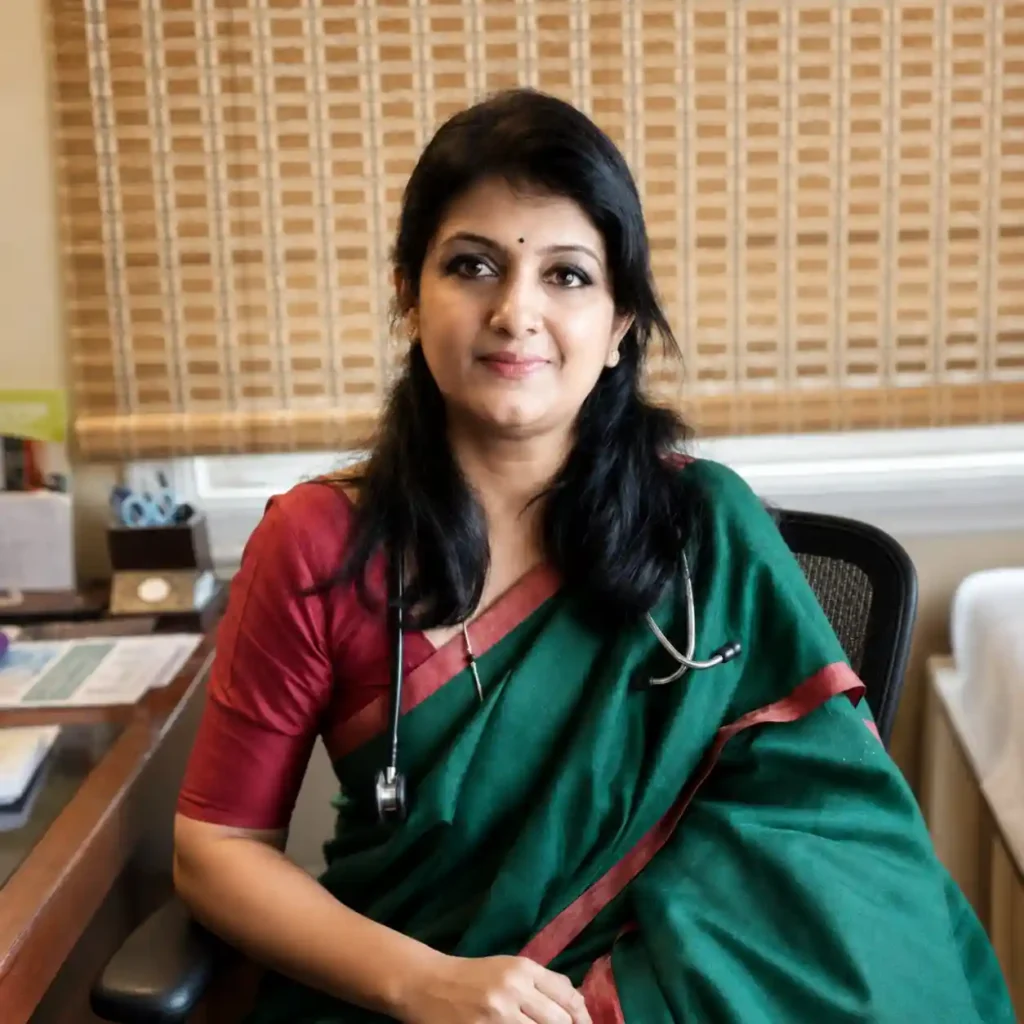
Chronic stress is the thing almost every single Bay Area client I see is dealing with underneath their primary complaint. They come in for digestion, for hair fall, for sleep, for migraines. Underneath all of it is a nervous system that’s been in sympathetic overdrive for years and doesn’t know how to stand down anymore.
Here’s what actually settles the nervous system over time at home. Then the Ayurvedic therapy that reaches a layer home practice can’t quite touch.
Why your nervous system won’t calm down on its own
The modern nervous system is being asked to handle an environment it wasn’t designed for. Constant notifications. Open Slack. Group chats. News that updates every 90 seconds. Work that doesn’t end at 5. Light from screens past sunset. Food on the wrong rhythm. Caffeine from 7 AM to 3 PM. No actual rest, just various kinds of “off work.”
In Ayurvedic terms, this is sustained Vata aggravation in the mind (Prana Vata, specifically). Vata governs the nervous system. Chronic Vata aggravation shows up as racing thoughts, scattered attention, anxiety, insomnia, and the specific kind of exhausted-but-wired you can’t quite describe to anyone who hasn’t felt it.
Home remedies that work are the ones that pacify Vata in the mind directly. The ones that don’t work are the ones that try to “optimize” your nervous system — more supplements, more cold plunges, more biohacking. These usually add to the Vata load.
1. Warm sesame oil on the feet before bed (90 seconds)
This is the single most Vata-pacifying home practice for the nervous system I can recommend. It’s absurdly simple.
A tablespoon of warm sesame oil. Rub into the soles of both feet for about 90 seconds. Put on cotton socks. Go to bed.
The feet are rich in nerve endings. The warmth and oil directly settle Vata. Most clients who do this consistently report deeper sleep within the first week. It’s the home version of the deeper natural solution for anxiety that classical Ayurveda offers through clinical therapies.
2. Nadi Shodhana for 10 minutes in the morning
Alternate nostril breathing. Classical Ayurvedic pranayama. Dozens of studies now confirm what Ayurveda has said for 3,000 years — it directly shifts the autonomic nervous system from sympathetic to parasympathetic.
How to do it: Sit comfortably. Right thumb closes right nostril. Inhale through left nostril. Close left nostril with ring finger, release thumb. Exhale through right nostril. Inhale through right nostril. Close right nostril with thumb, release ring finger. Exhale through left nostril. That’s one cycle. Do 10 minutes.
First thing in the morning, before you check your phone. The order matters. Phone before pranayama puts you behind the curve for the whole day.
3. The 10 PM bedtime (yes, actually)
I know. You’re a night owl. You get your best work done at 11 PM. Your partner isn’t home until midnight.
Chronic Vata-type anxiety and chronic late nights have a one-to-one relationship. The Pitta hours (10 PM – 2 AM) are when the body is designed to be in deep sleep. Being awake during those hours burns Pitta, which depletes you tomorrow, which makes you more Vata-anxious the day after.
The single most impactful nervous system change most of my clients can make is being in bed by 10 PM, five nights a week. Not perfectly. Not every night. Five out of seven. Give it three weeks. Watch what shifts.
4. Warm cooked meals, three times a day, at consistent times
The nervous system is deeply affected by digestion. Erratic eating, cold food, skipped meals, and late dinners all aggravate Vata. Three warm cooked meals at consistent times (breakfast around 8, lunch around 12-1, dinner around 6-7) is one of the most Vata-pacifying things you can do.
The specific foods matter less than the rhythm. Pick 3-4 go-to meals that are warm, cooked, grounding (kitchari, dal with rice, warm oatmeal, soups) and rotate them. Boring food, calm nervous system.
5. A specific wind-down ritual, not just “screens off”
“No screens an hour before bed” is advice. It’s not a ritual. The nervous system responds to actual, embodied wind-down routines, not negative rules.
A ritual that works for most clients:
- 8:30 PM — kitchen closed, dishes done
- 8:45 PM — warm shower
- 9:00 PM — warm milk with a pinch of nutmeg or cardamom
- 9:15 PM — oil on the feet
- 9:30 PM — book (actual paper book) in bed
- 10:00 PM — lights out
The specifics are less important than having a sequence your body knows. The nervous system settles when it recognizes the pattern. For clients working through chronic insomnia, this wind-down ritual is the foundation that the clinical ayurvedic solution for insomnia is built on.
6. Cut the morning caffeine on an empty stomach
Coffee on an empty stomach spikes cortisol in a nervous system that’s already stressed. If you’re a coffee drinker, have it after breakfast, not before. Switch to tea for a few weeks if things are particularly bad. The Vata-type nervous system does not tolerate caffeine the way a steadier constitution does.
7. The underrated power of 20 minutes outside, daily
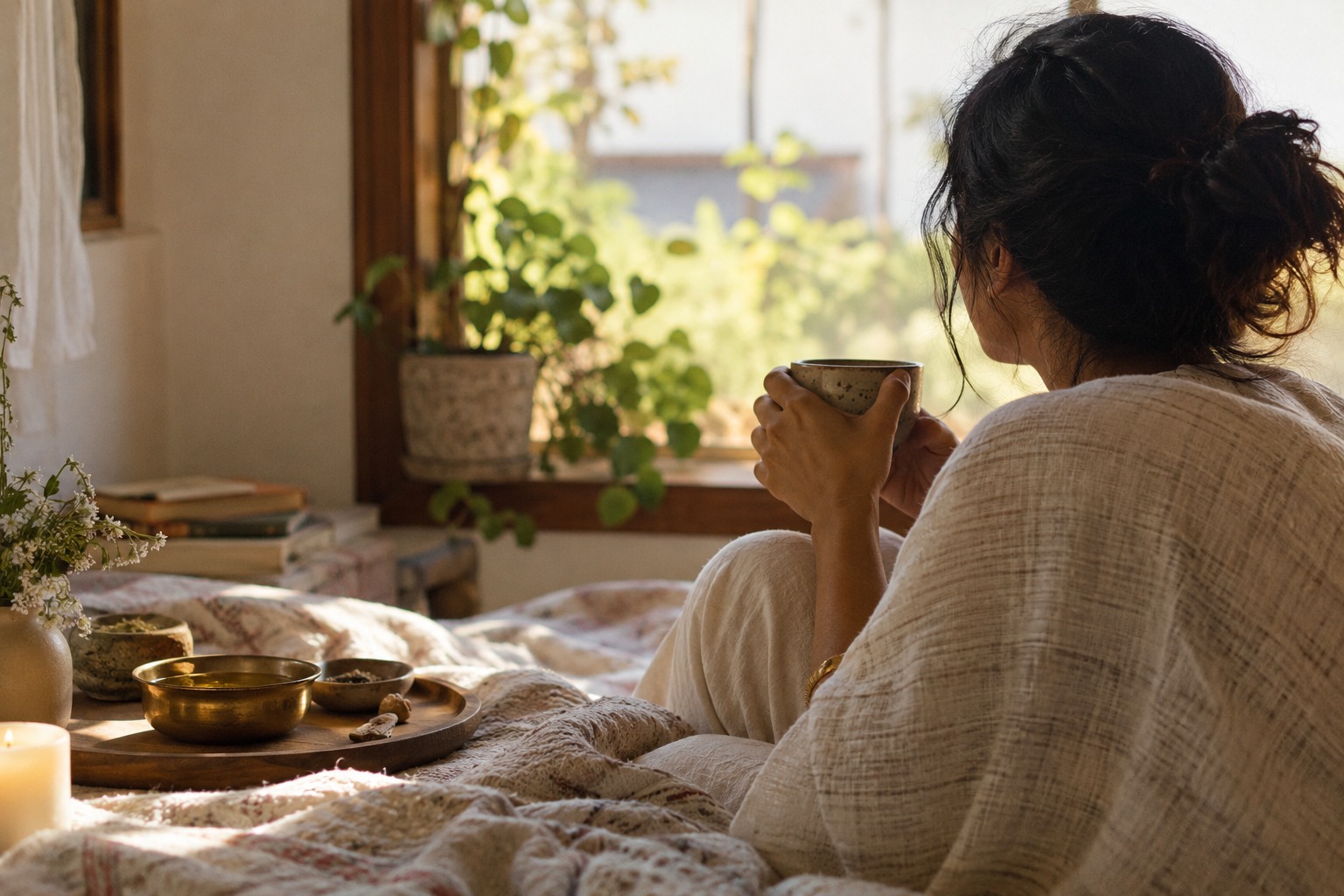
A 20-minute walk outside, in natural light, no earbuds. Not for exercise. For regulation. The nervous system calms through actual sensory input from the natural world. Trees, sky, wind, light. Twenty minutes. Daily.
This is boring advice that works better than most of what I could say. Try it for two weeks before dismissing it.
When home remedies have taken you as far as they can
For many clients, consistent home practice over 6-8 weeks produces real nervous system settling. Sleep deepens. The 3 AM wake-ups reduce. Daytime anxiety becomes less constant.
For clients with chronic long-standing anxiety, or whose nervous system has been in overdrive for 5+ years, home remedies help but don’t fully resolve. This is where the classical ayurvedic solution for anxiety called Shirodhara becomes the next step.
What Shirodhara actually is
Shirodhara is a classical Ayurvedic natural solution for chronic stress that works specifically through the nervous system. A continuous stream of warm medicated oil is poured in a slow steady flow across your forehead, oscillating gently from temple to temple, for 30-45 minutes.
That description doesn’t do it justice. The experience is something closer to a meditation that happens to your nervous system without you having to meditate. The brain enters a state similar to deep meditation (measurable on EEG). The sympathetic nervous system shifts into parasympathetic. Cortisol drops. Serotonin and GABA respond. Many clients fall asleep during the session, which is itself therapeutic — the kind of sleep is the deep restorative sleep they haven’t had in years.
The oil used is chosen for your constitution and current pattern. It may be a practitioner-selected combination of Brahmi, Jatamansi, Ashwagandha, Chandan, or other appropriate herbs rather than one oil for one symptom. A good Shirodhara session also depends on the oil temperature, flow, duration, and a quiet protected setting.
Why Shirodhara does what meditation apps and supplements don’t
Meditation apps are useful. Supplements can help. But both require your nervous system to do work. Shirodhara does the work for you. Your nervous system doesn’t have to focus, remember a mantra, or metabolize anything. The therapy settles the nervous system directly through sustained warm oil contact at the Ajna chakra point.
For clients whose nervous system is too dysregulated to meditate effectively (and most chronically anxious clients are in that category), Shirodhara often opens the door to being able to actually settle. After a series of Shirodhara, home practices become more effective because the baseline nervous system state has shifted.
A realistic plan
- Weeks 1-6: Home practices. Oil on feet before bed, Nadi Shodhana morning, 10 PM bedtime, warm meals, wind-down ritual, no morning caffeine on empty stomach, 20 minutes outside.
- Week 6 check-in: Sleep improving? Anxiety reducing? Keep going. Stuck or minimally better? Book a consultation.
- Weeks 7-12: If needed, a series of 5-7 Shirodhara sessions on alternate days or weekly. Keep home practices going.
- Ongoing: Monthly or seasonal Shirodhara for maintenance. Home practices for life. The nervous system doesn’t stay settled on its own in modern life — it stays settled through consistent practice.
A note: Ayurhitam is an Ayurvedic wellness center with locations in Fremont and Sunnyvale, California. This article is for general education and is not a substitute for care from your doctor. Please don’t change prescribed medications without medical guidance. Statements have not been evaluated by the FDA.
Frequently Asked Questions
No. The flow rate, the oil temperature, the duration, the specific medicated oils, the quiet protected environment — all of these are difficult to replicate at home. People have tried with gravity-fed devices from Amazon. The results aren’t the same.
Yes. Shirodhara is complementary to psychiatric medication. Tell your prescriber what you’re doing. Some clients, over time, work with their psychiatrist to reduce medication as the Ayurvedic plan takes hold. That’s a conversation between you and your doctor.
Most clients feel significantly calmer after the first session, and feel the effect for 2-5 days. The cumulative effect of a 5-7 session series builds a new baseline. For chronic long-standing anxiety, longer series or periodic maintenance may be needed.
Shirodhara at Ayurhitam is $150 per 60-minute session. Package pricing is available for a series. Call 510-556-3738 for current pricing.
Think of it like going to the gym. The settled state doesn’t maintain itself without input. For clients with chronically dysregulated nervous systems, periodic Shirodhara (every 4-6 weeks, or seasonally) is a reasonable long-term rhythm. Many clients see it as the single most impactful thing they do for their mental wellbeing.
Shirodhara, the main ayurvedic anxiety solution in the Bay Area, is offered at Ayurhitam at both our Fremont and Sunnyvale clinic locations. Call 510-556-3738 to book.
If home practices aren’t quite getting you there, book a consultation and we’ll build a plan that includes Shirodhara and whatever else fits your specific pattern.
Chronic stress or anxiety that home practices aren’t fully resolving? Book your Shirodhara consultation at Ayurhitam. Call 510-556-3738. Fremont and Sunnyvale.